-
 Phone: +86-10-51908781(9:00-18:00)+86-13801057171(other time)
-
 E-mail: info@sinovogroup.com
 Phone: +86-10-51908781(9:00-18:00)+86-13801057171(other time)
 E-mail: info@sinovogroup.com


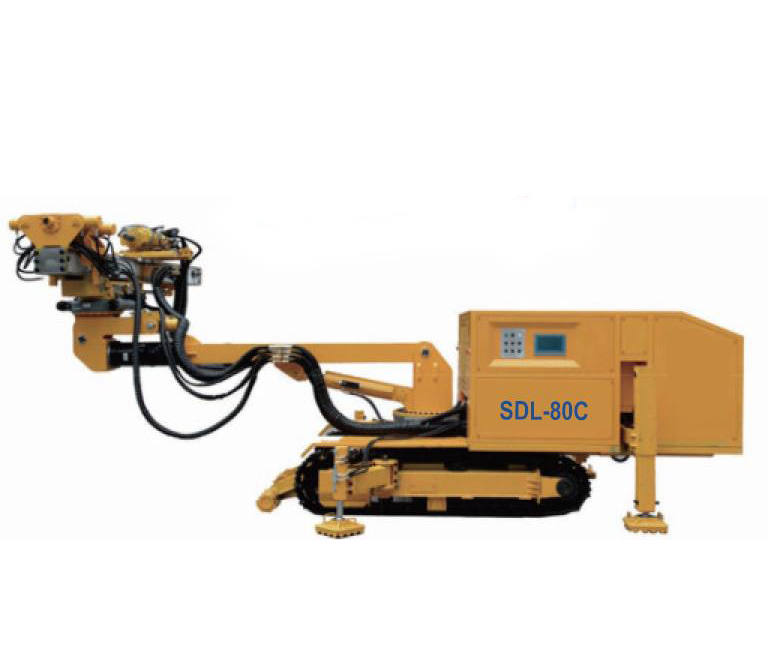
SDL-80ABC Series
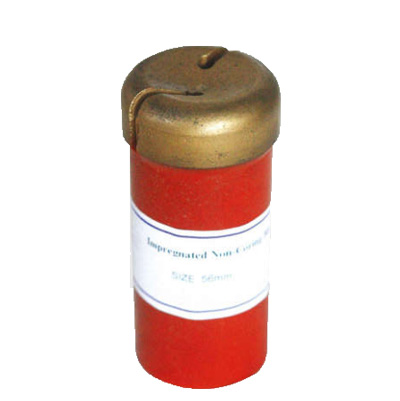
Non-coring Bits
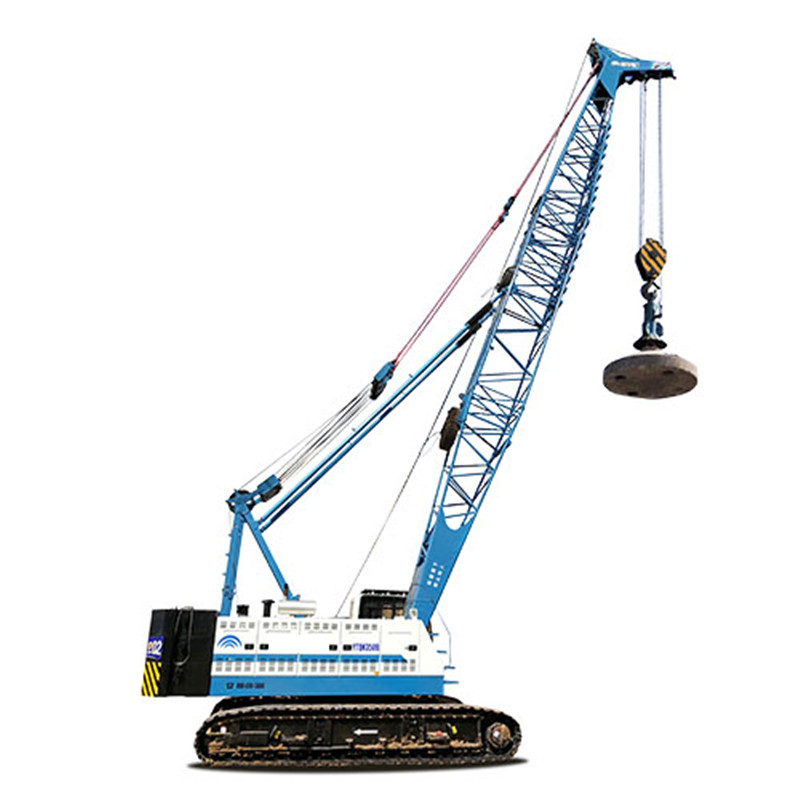
YTQH350B Crane
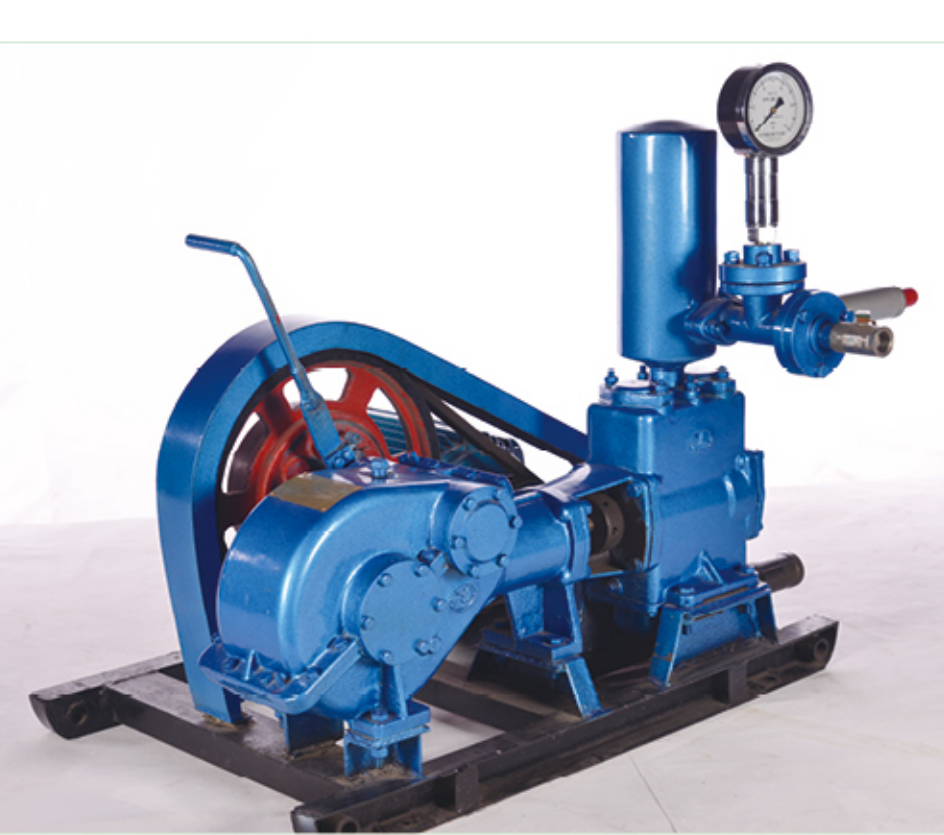
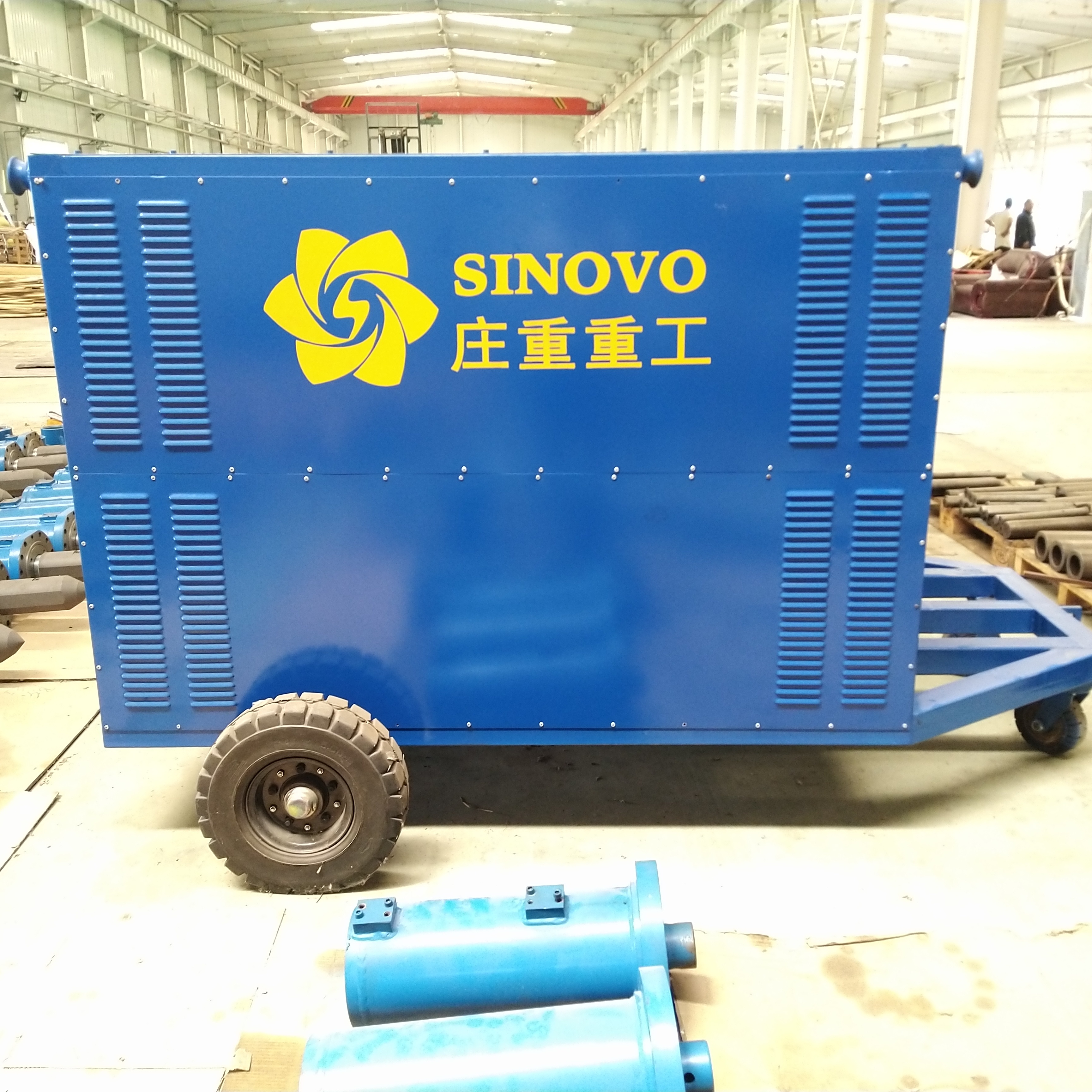
BW200 Mud Pump
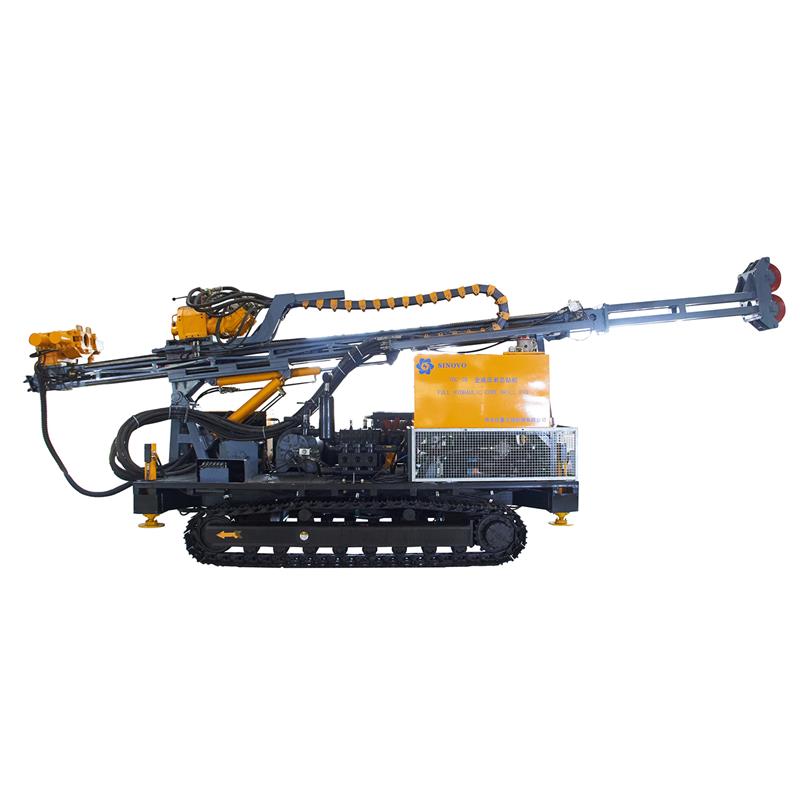
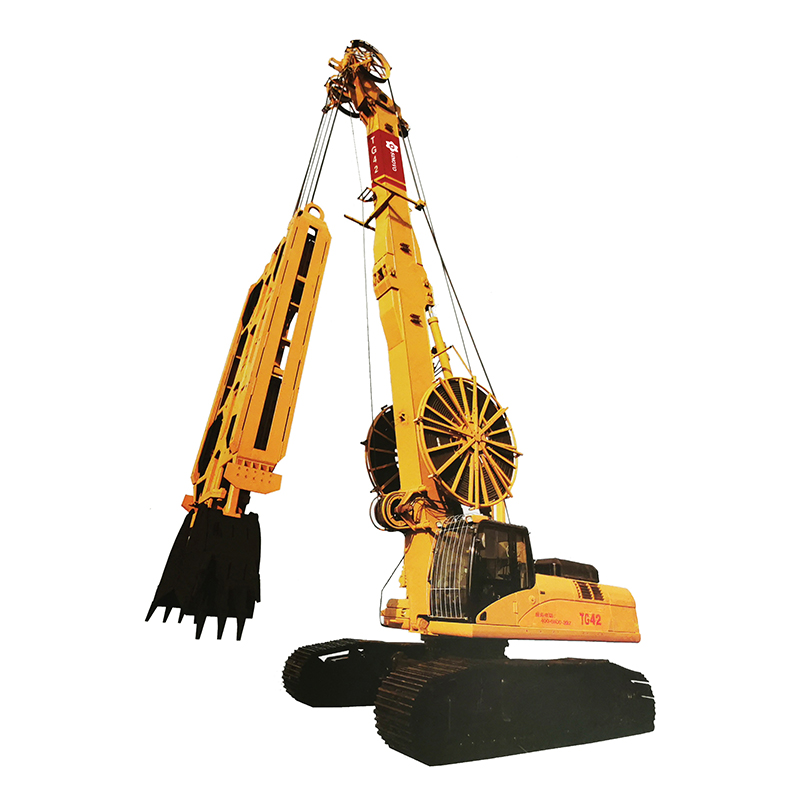
In the rapidly evolving landscape of urban infrastructure, the integration of high-performance subway drilling machines for domestic water supply projects has become a game-changer. These machines, originally designed for complex subterranean excavation, are now being adapted for deep-well water extraction in dense urban environments where traditional drilling rigs fail to operate due to space constraints or geological complexity.
The transition of technology from tunnel boring to water resource development highlights a shift toward high-torque, multi-functional drilling platforms. These units offer unparalleled precision, allowing municipal planners to access aquifers beneath existing subway lines and metropolitan foundations without compromising surface structural integrity.
The global demand for sustainable water solutions is driving the "smart" evolution of drilling equipment. Modern subway-grade drilling machines are increasingly equipped with IoT-enabled sensors, real-time data monitoring, and automated hydraulic control systems. This ensures that domestic water supply projects are not only efficient but also environmentally compliant, minimizing the disturbance to subterranean water tables.
Industry experts predict that the next decade will see a surge in the usage of compact, high-pressure drilling units that can be deployed in confined subway corridors, turning previously inaccessible zones into vital water hubs for local communities.
1. Urban Aquifer Restoration: Utilizing drilling rigs to tap into deep-seated groundwater reserves that are shielded from surface contaminants.
2. Emergency Municipal Water Backup: Establishing independent water supply lines for subway stations and surrounding residential blocks, ensuring resilience against climate-related water scarcity.
3. Geothermal-Water Hybrid Systems: Leveraging the depth reached by subway drilling machines to tap into both water and low-enthalpy geothermal energy for building heating and cooling.