


The floating of the steel cage in the process of bored pile pouring is often happened, the light one is floating several centimeters to dozens of centimeters, the heavy one is floating several meters, even all floating up, which is very harmful to the quality of the project.
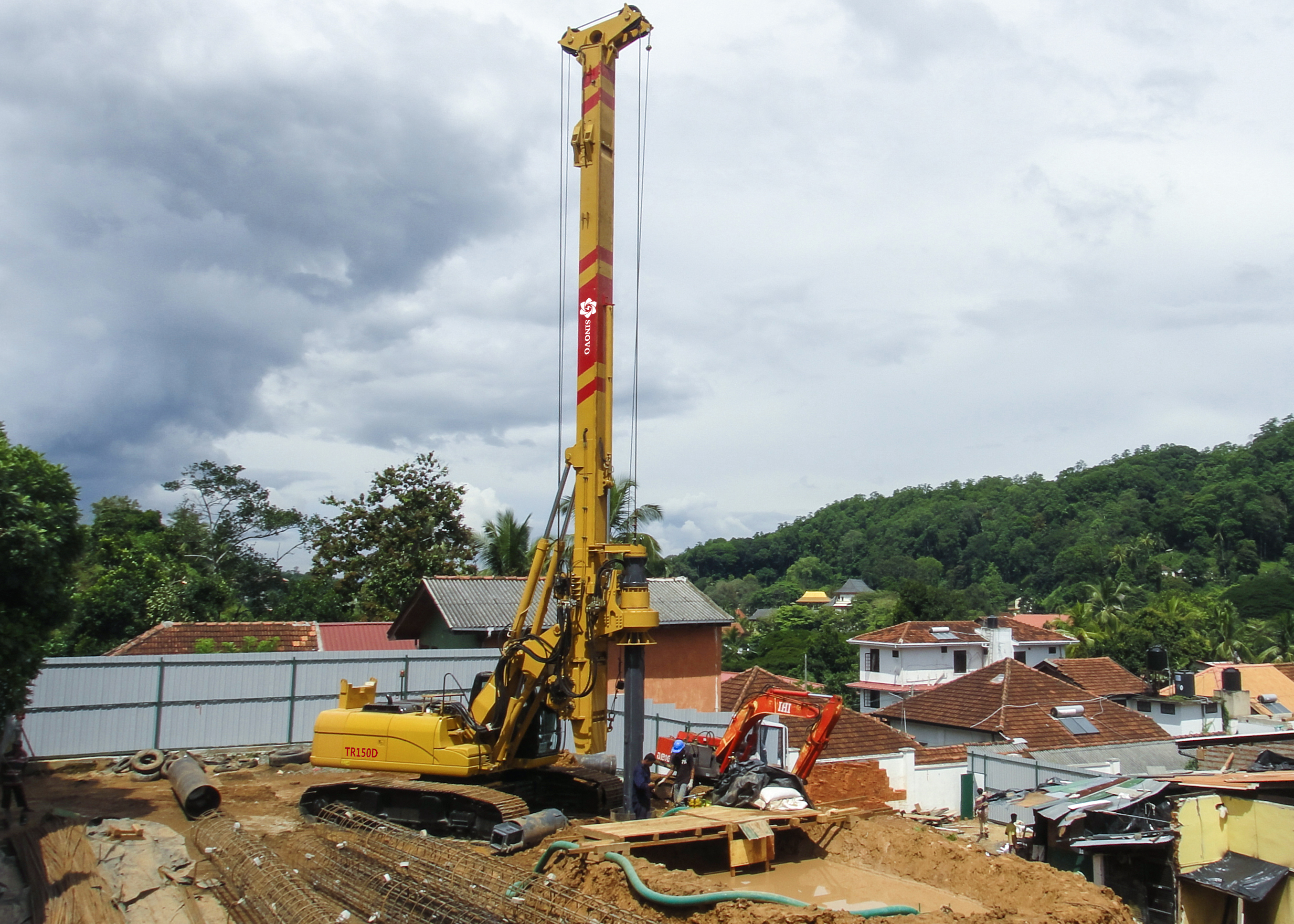
Ⅰ.Analysis of the Floating Reason of the Steel Cage
1. The upper lifting bar of the steel cage is not securely anchored at the hole opening, making it susceptible to being caught by the lifting pipe during hoisting, which may cause the cage to float upward.
2. During the concrete pouring process, when the concrete surface rises to the bottom of the steel cage, the shallow burial depth of the pipe leads to an excessive volume of concrete, resulting in a high upward velocity. This generates significant upward thrust, lifting both the pipe and the steel cage.
3. When both the concrete surface and the bottom of the pipe enter the steel cage, excessive pipe burial depth may cause the steel cage to float.
4. Since the initial concrete placement remains within the drilled hole above the already poured concrete, any quality issues such as segregation, short initial setting time, or significant slump loss will gradually impair the concrete’s fluidity. This will cause the upper initial concrete to begin setting. When the poorly fluid concrete surface contacts the bottom of the steel cage, it may easily lift the cage upward.
5. When fine sand layers are present in the stratum, if the slurry density is insufficient, the collapsing fine sand will deposit on the concrete surface, forming a cushion layer of certain thickness that supports the steel cage. As the concrete surface rises, the steel cage will also float upward.
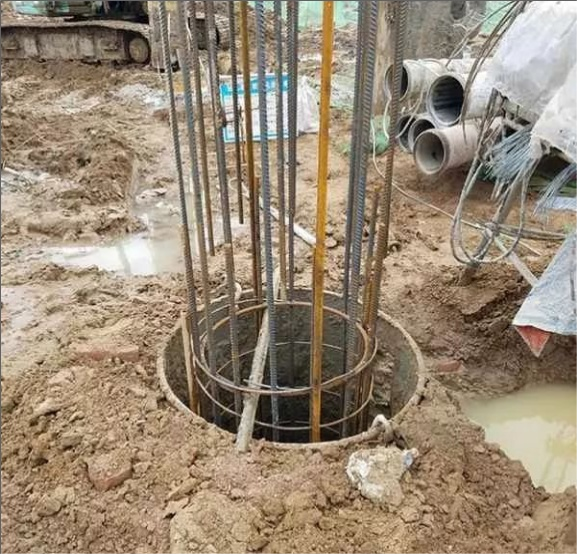
II. Measures to Prevent Floating of Steel Reinforcement Cage
1. During pile foundation concrete pouring, closely monitor the movement of the suspended steel cage’s lifting bars. If you notice any upward bulging of the bars, it indicates the cage has risen. Immediately slow down the concrete pouring rate and repeatedly use the drilling rig’s winch to “slowly lift and quickly lower” the casing, gradually pulling the floating cage back into the concrete.
2. Increase the diameter and number of stirrups, and add counterweights at the wellhead, which can be welded to the casing.
3. When concrete is poured into the steel cage, the shared burial depth between the pipe and the cage must be strictly controlled, with a maximum depth of 6 meters. Once the bottom of the pipe is raised above the safety distance, the pipe’s burial depth should be appropriately adjusted. At this point, as long as the concrete has good fluidity, the steel cage will generally not float.
4. During concrete pouring, continuously monitor the concrete surface level in the hole, strictly control the pouring rate to limit the upward movement of concrete and reduce its potential to displace the steel cage.
5. Optimize the slump of the concrete. For underwater concrete pouring, the slump should generally be maintained between 18-22 cm. Concrete for pile foundation construction must exhibit excellent workability and fluidity to ensure proper “slump flow” during pouring. Otherwise, poor workability and fluidity will make pile foundation pouring extremely challenging. The initially poured concrete may nearly solidify into a monolithic structure, and attempting to lift the entire steel cage could cause it to float.
6. During concrete pouring, the slurry density should be maintained at approximately 1–1.1. Excessive density increases the buoyancy exerted on the steel cage and forms a thick layer of floating slurry on the concrete surface. As the concrete rises, this slurry envelops the steel cage and ascends with it. Based on the actual site conditions, high-quality bentonite is used to prepare the slurry.
7. Since the bending or misalignment of the steel cage may affect its floating, construction personnel must strictly monitor and eliminate such issues.
8. Weld a steel bar marker on the rebar cage to expose the mud surface. If the marker floats, it indicates the cage has also risen. Immediately take measures to return the floating cage to its original position.
Post time: Jan-20-2026